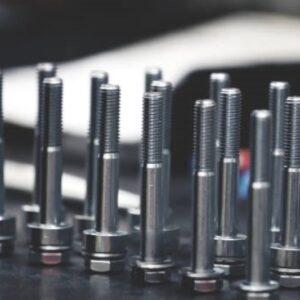


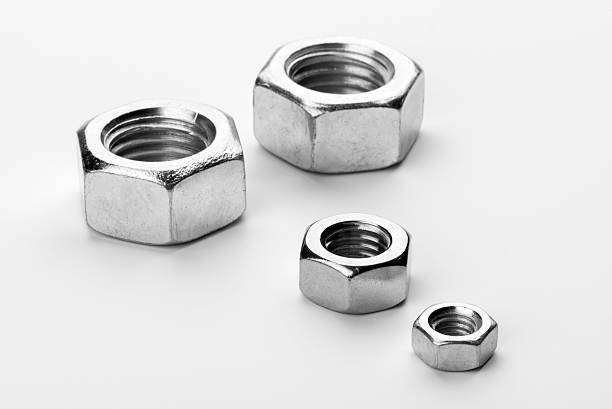
صواميل لحام من الفولاذ المقاوم للصدأ بمثابة مكونات حاسمة في الحمل العالي, تطبيقات درجات الحرارة العالية. يؤثر أدائها بشكل مباشر على السلامة الهيكلية, أمان, وطول عمر التجمعات الصناعية. على عكس المكسرات القياسية, تم تصميم صواميل اللحام لتحمل التمدد الحراري, الإجهاد الميكانيكي, والظروف المسببة للتآكل دون المساس بقوة المفاصل. الصناعات بما في ذلك السيارات, الفضاء, بناء, وتعتمد الآلات الثقيلة على هذه المكونات للحفاظ على الموثوقية التشغيلية. التعرف على خواصها المادية, توافق اللحام, وتكشف تقنيات التطبيق لماذا تظل صواميل اللحام المصنوعة من الفولاذ المقاوم للصدأ أمرًا لا غنى عنه في البيئات الصعبة.
التميز المادي: لماذا يهم الفولاذ المقاوم للصدأ
يوفر الفولاذ المقاوم للصدأ الأساس لصواميل اللحام عالية الأداء. تكوينه — الحديد في المقام الأول, الكروم, والنيكل - يخلق مقاومة للأكسدة, تآكل, والتشوه الناجم عن درجة الحرارة. يشكل الكروم طبقة أكسيد سلبية, حماية سطح الجوز حتى في ظل التعرض لفترات طويلة للحرارة أو الرطوبة. النيكل يعزز المتانة, تمكين المكسرات من تحمل الضغط الميكانيكي دون التشقق. في البيئات ذات درجات الحرارة العالية, يحافظ الفولاذ المقاوم للصدأ على ثبات الأبعاد, منع تشويه الخيط وتخفيف المفاصل. يضمن اختيار المواد هذا أن تحتفظ صواميل اللحام بوظائفها في التطبيقات التي تفشل فيها المعادن الأخرى.
التصميم الهيكلي الأمثل للحام
تختلف صواميل اللحام من الناحية الهيكلية عن أدوات التثبيت التقليدية. يدمج تصميمها ميزات تدعم الارتباط المباشر بالأسطح المعدنية, تحسين توزيع الحمل وسلامة اللحام. تشتمل صواميل اللحام المسقطة على نتوءات صغيرة على القاعدة, مما يسمح بالاتصال الكهربائي الدقيق والاندماج المتحكم فيه. Cage or clip-on nuts provide alignment and positional stability, reducing misalignment during assembly. By integrating these design elements, stainless steel welding nuts ensure consistent weld penetration, minimising weak points and preventing structural failures under stress.

Performance Under High Temperatures
High-temperature environments challenge the mechanical properties of fasteners. Thermal expansion, oxidation, and reduced tensile strength can compromise joints. صواميل لحام من الفولاذ المقاوم للصدأ excel in such conditions due to their ability to retain hardness and resist scaling at elevated temperatures. على سبيل المثال, in automotive exhaust systems, engines, or furnaces, welding nuts must sustain temperatures exceeding 500°C without deforming. Their stable microstructure ensures threads remain intact, securing bolts and maintaining connection reliability. Proper alloy selection, such as 304 أو 316 الفولاذ المقاوم للصدأ, further enhances performance for extreme thermal conditions.
Handling High Mechanical Loads
In high-load applications, welding nuts face constant stress from vibration, compression, and tension. Poorly designed nuts can fail, causing component displacement or structural collapse. Stainless steel welding nuts distribute load evenly across the welded interface, preventing localised stress concentrations. Their robust thread profiles allow bolts to achieve maximum torque without stripping. Industries like construction, آلات ثقيلة, and industrial fabrication utilise welding nuts to maintain joint strength even under cyclic or dynamic loading. The combination of material resilience and optimised design ensures consistent performance over extended service periods.
Corrosion Resistance in Harsh Environments
Industrial applications often expose fasteners to moisture, المواد الكيميائية, and salt. Corrosion can weaken joints, causing premature failure. Stainless steel welding nuts resist rust and chemical attack, extending service life. Passive oxide layers regenerate if scratched, providing self-protection. In marine, chemical processing, or outdoor structures, welding nuts maintain mechanical integrity while resisting environmental degradation. Their corrosion resistance reduces maintenance requirements and lowers the risk of unplanned downtime in critical assemblies.
Welding Compatibility and Techniques
Successful integration of welding nuts requires compatibility with base metals and precise application techniques. Stainless steel nuts suit most ferrous and some non-ferrous substrates, provided welding parameters match the material properties. Projection welding relies on controlled current, ضغط, and time to achieve uniform fusion without overheating. TIG or MIG welding methods suit thicker materials or specialised alloys. Proper welding ensures strong metallurgical bonds, preventing cracks, voids, or weak attachment points. Knowledgeable engineering teams design joint configurations that maximise nut performance in situ.
Customisation and Specification Considerations
Selecting the right stainless steel welding nut involves material grade, مقاس, thread type, projection style, and surface treatment. 304-grade stainless steel offers general corrosion resistance and good weldability. 316-grade improves performance in chloride-rich or marine settings. Thread precision ensures proper bolt engagement and torque transfer. Projection height and configuration affect weld quality and load distribution. Surface finishes such as passivation or plating provide additional corrosion protection and aesthetic quality. Engineers balance these parameters to optimise performance, يكلف, and production efficiency.
Maintenance and Lifecycle Advantages
Welding nuts minimise the need for frequent maintenance. Their corrosion resistance and mechanical stability reduce joint loosening and component replacement. This longevity contributes to lower operational costs and reduced downtime. In high-temperature systems, the ability to sustain repeated thermal cycles without thread distortion ensures safety compliance and reliability. Maintenance teams can focus on system-level issues rather than fastener replacement, improving overall productivity.
Economic and Safety Implications
Investing in high-quality stainless steel welding nuts offers economic advantages. عمر خدمة أطول, انخفاض وتيرة الإصلاح, وتعزيز السلامة الهيكلية يقلل من التكلفة الإجمالية للملكية. السلامة هي أيضا عامل حاسم. في البيئات عالية التحميل, يمكن أن يكون لفشل التثبيت عواقب وخيمة. صواميل اللحام المختارة بشكل صحيح تقلل من المخاطر, دعم الامتثال لمعايير السلامة الصناعية. يتم تبرير تكلفة المواد المتميزة من خلال منع تلف المعدات, الانقطاعات التشغيلية, والمسؤولية المحتملة.
الاتجاهات الناشئة في تكنولوجيا صمولة اللحام
تركز التطورات الأخيرة على ابتكارات المواد والتصنيع الدقيق. تعمل السبائك عالية الأداء على تحسين مقاومة الحرارة والإجهاد الشديدين. التصنيع باستخدام الحاسب الآلي المتقدم يضمن اتساق الأبعاد, حاسمة لإنتاج كميات كبيرة. تعمل هندسة السطح على تعزيز مقاومة التآكل مع الحفاظ على قابلية اللحام. بالإضافة إلى ذلك, additive manufacturing allows rapid prototyping for specialised applications. These innovations further strengthen the role of stainless steel welding nuts in demanding environments.
Integration with Modern Industrial Design
Stainless steel welding nuts align with modern industrial assembly philosophies, including modular construction and automation. Their design supports robotic welding and automated assembly lines, reducing human error. Consistent geometry and surface quality facilitate seamless integration in mass production. بالإضافة إلى, optimised placement allows uniform stress distribution, critical in automated high-load assemblies. By combining material performance with precise engineering, welding nuts enhance both product quality and production efficiency.
ملخص: Strategic Value in High-Load, High-Temperature Applications
صواميل لحام من الفولاذ المقاوم للصدأ represent a cornerstone of reliable, durable fastening in extreme conditions. Material selection, structural design, توافق اللحام, and load-handling capabilities ensure that these components maintain integrity under thermal and mechanical stress. Industries ranging from automotive and aerospace to construction and marine rely on welding nuts to protect investment, enhance safety, and extend equipment lifespan. Customisation and precision manufacturing further optimise performance, while corrosion resistance and maintenance advantages reinforce economic and operational benefits.
أخيرًا, stainless steel welding nuts are more than fasteners; they are engineered solutions that guarantee structural reliability in high-temperature and high-load environments. Their integration into industrial assemblies reflects a careful balance of material science, mechanical engineering, and practical application. By emphasising durability, compatibility, and design precision, تستمر صواميل اللحام في لعب دور محوري في التصنيع والبناء الحديث.