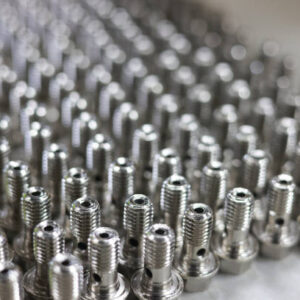


يعتمد تطور هندسة السيارات بشكل متزايد على التصميم خفيف الوزن. كل كيلوغرام يتم توفيره يعزز كفاءة استهلاك الوقود, التعامل مع, and emissions performance. السحابات عالية القوة, especially bolts, play a pivotal role in this transformation. Among manufacturing techniques, CNC machining bolts for automotive applications has emerged as an essential approach. By combining precision, material control, and repeatable quality, CNC machining enables engineers to produce bolts that meet the stringent requirements of modern vehicles.
Automotive bolts are more than simple fasteners. They withstand dynamic loads, thermal cycles, and vibrations while maintaining structural integrity. In lightweight vehicles, the challenge becomes even greater. Engineers demand materials that are strong yet light, and designs that maximize performance without adding excess mass. CNC machining delivers these requirements, offering both customization and scalability.
The Growing Demand for High-Strength Bolts in Automotive Design
يؤكد تصميم المركبات الحديثة على تقليل الوزن. يجب أن يلبي كل مكون أهدافًا صارمة فيما يتعلق بنسب القوة إلى الوزن. تسمح البراغي عالية القوة للمصنعين بتقليل حجم المكونات الأخرى, تمكين معادن أرق أو سبائك أخف وزنا في أماكن أخرى. ويساهم هذا النهج بشكل مباشر في تعزيز كفاءة السيارة بشكل عام.
يمتد الطلب إلى أنواع متعددة من المركبات. تتطلب السيارات الكهربائية تحسين الوزن لتوسيع نطاق البطارية. تهدف السيارات الرياضية والفاخرة إلى تحقيق الأداء والسلامة. تركز المركبات التجارية على الموثوقية والمتانة. في جميع الحالات, يجب أن تحافظ البراغي على تفاوتات صارمة وأداء ثابت.
تصنيع CNC: الدقة والأداء
توفر مسامير التصنيع باستخدام الحاسب الآلي لتطبيقات السيارات دقة لا مثيل لها. على عكس التزوير أو الصب التقليدي, تقوم عمليات CNC بإزالة المواد بدقة متناهية, إنتاج الخيوط, رؤساء, and shafts with minimal deviation. This precision guarantees proper assembly and torque distribution, reducing the risk of fastener failure.
CNC machining also allows for complex geometries. Automotive engineers increasingly require bolts with optimized thread profiles, lightweight cores, and enhanced surface treatments. CNC machining enables these advanced designs while maintaining structural integrity. Each bolt can be produced to exact dimensions, ensuring repeatable performance across thousands of units.
Material Selection for Lightweight and Strength
High-strength automotive bolts demand specialized materials. Common choices include high-tensile steel alloys, التيتانيوم, and nickel-chromium-molybdenum compounds. Each material offers a balance between strength, مقاومة التآكل, and weight.
CNC machining accommodates these materials effectively. Harder metals, التي تقاوم التشوه تحت الحمل, يمكن قصها وتشكيلها بدقة دون المساس بالسلامة الهيكلية. على سبيل المثال, يتم تقدير مسامير التيتانيوم لنسبة قوتها إلى وزنها, ولكنها تتطلب عمليات CNC خاضعة للرقابة لمنع عيوب السطح. تضمن المعالجة الدقيقة أن هذه البراغي يمكنها التعامل مع عزم الدوران الشديد مع الحفاظ على خفة الوزن.

تصميم الخيط وتوزيع الأحمال
تؤثر هندسة الخيط بشكل كبير على أداء الترباس. في تطبيقات المركبات خفيفة الوزن, يجب أن تقوم الخيوط بتوزيع الحمل بالتساوي لمنع تركيزات الضغط. يتيح التصنيع باستخدام الحاسب الآلي قطعًا دقيقًا للخيط, مع درجة موحدة وعمق.
غالبًا ما تتضمن التصميمات المتقدمة خيوطًا جزئية أو ملفات تعريف متخصصة. على سبيل المثال, قد تتميز البراغي المستخدمة في أنظمة التعليق أو حوامل المحرك بخيوط ملفوفة في مناطق محددة. CNC machining guarantees that these features are produced consistently, reducing fatigue risk and extending service life.
بالإضافة إلى, precision threading enhances assembly efficiency. Bolts that mate perfectly with nuts or tapped holes minimize cross-threading, reduce assembly time, and improve overall reliability. In automotive production, where large volumes of fasteners are used, these benefits have a measurable impact on manufacturing efficiency.
Surface Treatment and Corrosion Resistance
Automotive bolts face harsh environmental conditions. Exposure to moisture, ملح, and chemicals can lead to corrosion, compromising safety. Surface treatments such as zinc plating, anodizing, or DLC (diamond-like carbon) coatings are essential.
CNC machining allows bolts to maintain tolerances while accommodating surface treatments. Uniform surfaces ensure coatings adhere properly, providing long-term corrosion resistance. This precision prevents uneven wear or coating defects, which could weaken the bolt under high stress.
بالإضافة إلى ذلك, surface finishes can improve friction performance. Reduced friction between the bolt and mating surfaces allows for more consistent torque application, a critical factor in lightweight vehicle design where material strength is maximized.
Weight Reduction Through Optimized Bolt Design
CNC machining supports strategic material removal. Engineers can reduce bolt mass without sacrificing strength by introducing hollow cores, chamfers, or fluted designs. These modifications lower the weight and contribute to the overall efficiency of the vehicle.
In lightweight vehicle platforms, even small reductions per fastener translate into meaningful total weight savings. على سبيل المثال, replacing traditional solid steel bolts with CNC-machined titanium bolts can reduce hundreds of grams across a single car, improving fuel economy and handling dynamics.
The Role of CNC Machining in Advanced Automotive Materials
Modern vehicles incorporate aluminum, magnesium, and carbon fiber components. These lightweight materials require bolts that can achieve secure fastening without causing stress points or cracking. CNC machining produces bolts with tolerances suitable for such interfaces.
على سبيل المثال, aluminum chassis elements require bolts with precise thread engagement. تصنيع CNC ensures that even high-strength steel or titanium bolts thread correctly without damaging lightweight parts. This integration of materials and machining enhances vehicle performance while maintaining safety.
Cost Efficiency and Production Scalability
While CNC machining provides precision, it also supports scalable production. Automated CNC lines produce large volumes with minimal human intervention, reducing labor costs and assembly errors.
Cost efficiency increases when material waste is minimized. CNC processes are optimized to use raw materials effectively, reducing scrap and lowering per-unit costs. في قطاع السيارات, where thousands of bolts are required per model, these savings accumulate significantly.
بالإضافة إلى ذلك, CNC machining enables rapid prototyping and design iteration. Engineers can test bolt geometry and performance quickly, adjusting designs for optimal strength and weight before entering full-scale production.
Integration with Assembly Systems
High-strength bolts must perform reliably within automated assembly lines. CNC machining ensures dimensional uniformity, allowing robotic tools to consistently apply the correct torque.
Precise head geometry, thread alignment, and surface finish contribute to smooth automated installation. In mass production environments, these factors prevent delays, reduce defects, and maintain quality control across vehicle batches.
Summary and Strategic Implications
High-strength automotive bolts form the backbone of lightweight vehicle design. CNC machining ensures precision, تناسق, and material optimization. By enabling complex geometry, advanced threading, and lightweight construction, CNC-machined fasteners support modern automotive goals.
Surface treatments, التحمل الضيق, and material versatility enhance durability and corrosion resistance. Properly designed and manufactured bolts reduce vehicle weight, improve handling, and ensure safety.
The role of CNC machining extends beyond production. It enables scalability, quality assurance, and integration with advanced assembly processes. As vehicles evolve with new materials and electrification, CNC-machined bolts remain critical components, combining strength, دقة, والكفاءة.
For engineers and designers, understanding the role of CNC machining in the production of fasteners is crucial. These bolts are not merely hardware; they are performance enablers. Every innovation in lightweight design depends on the precision, strength, and reliability delivered by CNC machining bolts for automotive applications.