
Cold forging offers incredible speed and high material savings. However, this process faces physical walls that no machine can break. Many engineers realize that forging alone cannot produce sophisticated geometries. Consequently, they turn to CNC machining to finish the job. This guide explores the inherent limits of forging. We help you understand when to switch to precision cutting for your project.
1. Physical Barriers: The “Shape Trap” of Forging
Cold forging relies on heavy pressure to move metal into a die. While efficient, this method struggles with intricate features.
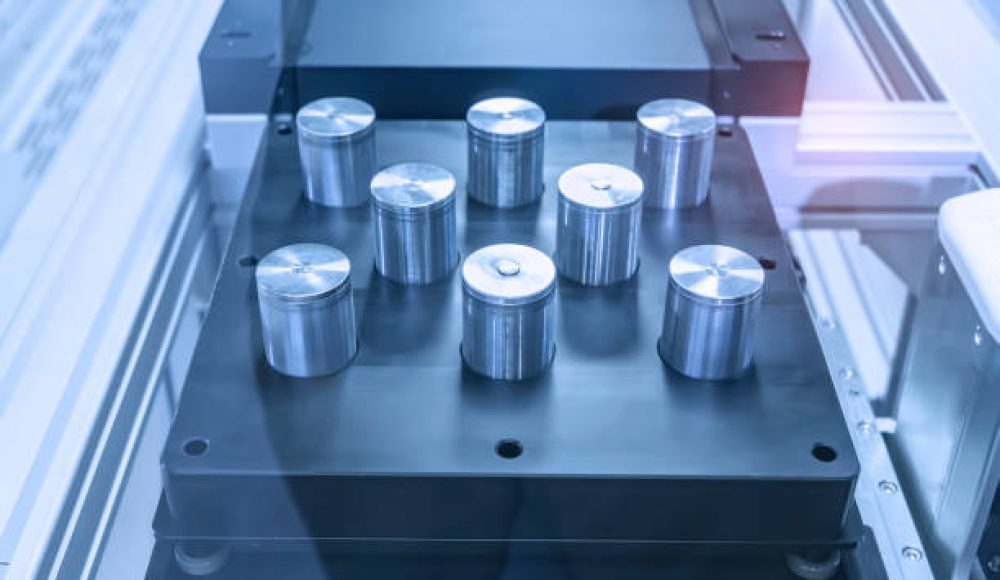
First, you cannot forge sharp internal angles under 90 degrees. These tight corners make it impossible to remove the part from the die. Furthermore, forging cannot create internal threads or lateral holes. The metal simply does not flow sideways into small cavities easily. Therefore, a forged blank often looks like a rough “skeleton.” It requires CNC machining to add the functional details. Precision cutting carves out the features that pressure alone cannot reach.
2. Material Fragility: When Metal Reaches Its Limit
Not every metal enjoys being squeezed at room temperature. High-strength materials often reach their “plastic limit” very quickly.
If you push a material too far, it develops microscopic cracks. This is especially true for Martensitic stainless steel. This specific alloy is notoriously hard and brittle. Consequently, traditional forging often leads to a high scrap rate. The metal shatters before it fills the die. Therefore, you must manage the material’s stress with great care. Without the right prep, your production will face constant failures.
3. The Hybrid Solution: Combining Forge and Cut
Smart manufacturing uses a “Hybrid” approach to solve these bottlenecks. We combine the strength of forging with the precision of CNC machining.
Specialized Annealing
First, we use a dedicated annealing process for tough metals. This heat treatment lowers the hardness of the blank. Consequently, the metal becomes “soft” enough for initial shaping. It prepares the grain structure for the heavy forces to come.
Lubrication Coating
Next, we apply a high-performance lubrication film to the surface. This film reduces friction between the metal and the tool. Therefore, it prevents surface galling and protects the die. It ensures the metal flows smoothly into the basic form.
Precision CNC Finishing
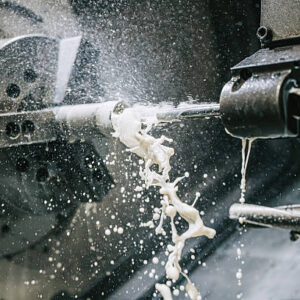
Finally, we use CNC machining to complete the complex details. We mill the lateral holes and tap the internal threads. This stage ensures a perfect fit for tight tolerances. Consequently, you get the strength of a forged core. But, you also gain the surgical precision of a machined exterior.
4. Why Precision Machining is Essential
Relying only on forging limits your design freedom significantly. CNC machining removes these creative and technical boundaries.
-
Better Surface Finish: Machining delivers a smoother, mirror-like surface.
-
Complex Geometry: You can create undercuts and thin-walled features.
-
Tighter Tolerances: Machining holds microns that forging simply cannot reach.
Therefore, you should view forging as the “foundation” of the part. Machining acts as the “architect” that defines the final performance. As a result, your components meet the highest industrial standards.
Conclusion: Choosing the Right Path for Your Part
Cold forging is a powerful tool, but it is not a magic wand. Understanding its limits helps you avoid costly production mistakes.
Do not force a complex design into a simple forging process. Instead, embrace the accuracy of CNC machining for your critical features. This balanced approach ensures durability and perfect functionality. Build your parts with the best of both worlds today. Precision is the key to mastering high-performance metal manufacturing.