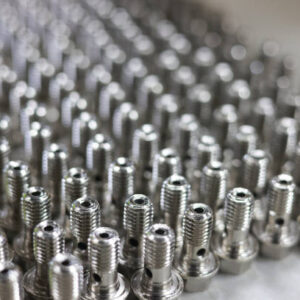


Die Weiterentwicklung des Automobilbaus setzt zunehmend auf Leichtbau. Jedes eingesparte Kilogramm steigert die Kraftstoffeffizienz, Handhabung, und Emissionsleistung. Hochfeste Befestigungselemente, insbesondere Schrauben, spielen bei diesem Wandel eine zentrale Rolle. Zu den Herstellungstechniken, CNC-Bearbeitungsschrauben für Automobilanwendungen hat sich als wesentlicher Ansatz herausgestellt. Durch die Kombination von Präzision, Materialkontrolle, und wiederholbare Qualität, Durch die CNC-Bearbeitung können Ingenieure Schrauben herstellen, die den strengen Anforderungen moderner Fahrzeuge gerecht werden.
Kfz-Schrauben sind mehr als nur einfache Befestigungselemente. Sie halten dynamischen Belastungen stand, thermische Zyklen, und Vibrationen unter Beibehaltung der strukturellen Integrität. In Leichtfahrzeugen, Die Herausforderung wird noch größer. Ingenieure fordern Materialien, die stark und dennoch leicht sind, und Designs, die die Leistung maximieren, ohne zusätzliche Masse hinzuzufügen. Die CNC-Bearbeitung erfüllt diese Anforderungen, bietet sowohl Anpassung als auch Skalierbarkeit.
Die wachsende Nachfrage nach hochfesten Schrauben im Automobildesign
Modernes Fahrzeugdesign legt Wert auf Gewichtsreduzierung. Jede Komponente muss strenge Vorgaben für das Verhältnis von Festigkeit zu Gewicht erfüllen. Hochfeste Schrauben ermöglichen es Herstellern, die Größe anderer Komponenten zu reduzieren, Dies ermöglicht anderswo den Einsatz dünnerer Metalle oder leichterer Legierungen. Dieser Ansatz trägt direkt zur Gesamteffizienz des Fahrzeugs bei.
Die Nachfrage erstreckt sich über mehrere Fahrzeugtypen. Elektrofahrzeuge erfordern eine Gewichtsoptimierung, um die Batteriereichweite zu erhöhen. Sport- und Luxusautos zielen sowohl auf Leistung als auch auf Sicherheit ab. Bei Nutzfahrzeugen stehen Zuverlässigkeit und Langlebigkeit im Vordergrund. In allen Fällen, Schrauben müssen enge Toleranzen und eine konstante Leistung einhalten.
CNC-Bearbeitung: Präzision und Leistung
Die CNC-Bearbeitung von Schrauben für Automobilanwendungen bietet unübertroffene Präzision. Im Gegensatz zum herkömmlichen Schmieden oder Gießen, CNC-Prozesse entfernen Material mit äußerster Genauigkeit, Fäden produzieren, Köpfe, und Wellen mit minimaler Abweichung. Diese Präzision garantiert eine ordnungsgemäße Montage und Drehmomentverteilung, Reduzierung des Risikos eines Verbindungsversagens.
Durch die CNC-Bearbeitung sind auch komplexe Geometrien möglich. Automobilingenieure benötigen zunehmend Schrauben mit optimierten Gewindeprofilen, leichte Kerne, und verbesserte Oberflächenbehandlungen. Die CNC-Bearbeitung ermöglicht diese fortschrittlichen Designs bei gleichzeitiger Wahrung der strukturellen Integrität. Jeder Bolzen kann maßgenau gefertigt werden, Gewährleistung einer wiederholbaren Leistung über Tausende von Einheiten hinweg.
Materialauswahl für Leichtigkeit und Festigkeit
Hochfeste Automobilschrauben erfordern spezielle Materialien. Gängige Optionen sind hochfeste Stahllegierungen, Titan, und Nickel-Chrom-Molybdän-Verbindungen. Jedes Material bietet ein Gleichgewicht zwischen Festigkeit, Korrosionsbeständigkeit, und Gewicht.
Durch die CNC-Bearbeitung werden diese Materialien effektiv berücksichtigt. Härtere Metalle, die einer Verformung unter Belastung standhalten, können präzise geschnitten und geformt werden, ohne die strukturelle Integrität zu beeinträchtigen. Zum Beispiel, Titanschrauben werden wegen ihres Verhältnisses von Festigkeit zu Gewicht geschätzt, Sie erfordern jedoch kontrollierte CNC-Prozesse, um Oberflächenfehler zu verhindern. Durch die präzise Bearbeitung wird sichergestellt, dass diese Schrauben extreme Drehmomente aushalten und dabei leicht bleiben.

Gewindedesign und Lastverteilung
Die Gewindegeometrie hat erheblichen Einfluss auf die Schraubenleistung. In leichten Fahrzeuganwendungen, Gewinde müssen die Last gleichmäßig verteilen, um Spannungskonzentrationen zu vermeiden. Die CNC-Bearbeitung ermöglicht ein präzises Gewindeschneiden, mit gleichmäßiger Tonhöhe und Tiefe.
Fortgeschrittene Designs umfassen häufig Teilgewinde oder spezielle Profile. Zum Beispiel, Schrauben, die in Aufhängungssystemen oder Motorlagern verwendet werden, können an bestimmten Stellen gerollte Gewinde aufweisen. Die CNC-Bearbeitung garantiert, dass diese Merkmale konsistent hergestellt werden, Reduzierung des Ermüdungsrisikos und Verlängerung der Lebensdauer.
Außerdem, Präzisionsgewindeschneiden verbessert die Montageeffizienz. Schrauben, die perfekt zu Muttern oder Gewindelöchern passen, minimieren das Verkanten von Gewinden, reduzieren Sie die Montagezeit, und die Gesamtzuverlässigkeit verbessern. In der Automobilproduktion, wo große Mengen an Verbindungselementen verwendet werden, Diese Vorteile wirken sich messbar auf die Fertigungseffizienz aus.
Oberflächenbehandlung und Korrosionsbeständigkeit
Automobilschrauben sind rauen Umgebungsbedingungen ausgesetzt. Feuchtigkeitseinwirkung, Salz, und Chemikalien können zu Korrosion führen, die Sicherheit gefährden. Oberflächenbehandlungen wie Verzinkung, Eloxieren, oder DLC (diamantähnlicher Kohlenstoff) Beschichtungen sind unerlässlich.
Durch die CNC-Bearbeitung können Schrauben Toleranzen einhalten und gleichzeitig Oberflächenbehandlungen berücksichtigen. Gleichmäßige Oberflächen sorgen für eine gute Haftung der Beschichtungen, Bietet langfristige Korrosionsbeständigkeit. Diese Präzision verhindert ungleichmäßigen Verschleiß oder Beschichtungsfehler, Dies könnte den Bolzen bei hoher Belastung schwächen.
Zusätzlich, Oberflächenveredelungen können die Reibungsleistung verbessern. Die verringerte Reibung zwischen der Schraube und den Passflächen ermöglicht eine gleichmäßigere Drehmomentanwendung, Ein entscheidender Faktor beim Leichtbau von Fahrzeugen, bei dem die Materialfestigkeit maximiert wird.
Gewichtsreduzierung durch optimiertes Bolzendesign
Die CNC-Bearbeitung unterstützt den strategischen Materialabtrag. Ingenieure können die Schraubenmasse ohne Einbußen bei der Festigkeit reduzieren, indem sie Hohlkerne einführen, Fasen, oder geriffelte Designs. Diese Modifikationen senken das Gewicht und tragen zur Gesamteffizienz des Fahrzeugs bei.
In Leichtbau-Fahrzeugplattformen, Selbst kleine Reduzierungen pro Befestigungselement führen zu erheblichen Gesamtgewichtseinsparungen. Zum Beispiel, replacing traditional solid steel bolts with CNC-machined titanium bolts can reduce hundreds of grams across a single car, improving fuel economy and handling dynamics.
The Role of CNC Machining in Advanced Automotive Materials
Modern vehicles incorporate aluminum, magnesium, and carbon fiber components. These lightweight materials require bolts that can achieve secure fastening without causing stress points or cracking. CNC machining produces bolts with tolerances suitable for such interfaces.
Zum Beispiel, aluminum chassis elements require bolts with precise thread engagement. CNC -Bearbeitung ensures that even high-strength steel or titanium bolts thread correctly without damaging lightweight parts. This integration of materials and machining enhances vehicle performance while maintaining safety.
Cost Efficiency and Production Scalability
Während die CNC-Bearbeitung für Präzision sorgt, Es unterstützt auch eine skalierbare Produktion. Automatisierte CNC-Linien produzieren große Mengen mit minimalem menschlichen Eingriff, Reduzierung der Arbeitskosten und Montagefehler.
Die Kosteneffizienz steigt, wenn Materialverschwendung minimiert wird. CNC-Prozesse sind optimiert, um Rohstoffe effektiv zu nutzen, Reduzierung des Ausschusses und Senkung der Stückkosten. Im Automobilbereich, wo Tausende von Schrauben pro Modell erforderlich sind, Diese Einsparungen summieren sich erheblich.
Zusätzlich, Die CNC-Bearbeitung ermöglicht eine schnelle Prototypenerstellung und Entwurfsiteration. Ingenieure können die Schraubengeometrie und -leistung schnell testen, Anpassung der Designs auf optimale Festigkeit und Gewicht, bevor mit der Serienproduktion begonnen wird.
Integration mit Montagesystemen
Hochfeste Schrauben müssen in automatisierten Montagelinien zuverlässig funktionieren. Die CNC-Bearbeitung gewährleistet Maßeinheitlichkeit, Dadurch können Roboterwerkzeuge stets das richtige Drehmoment anwenden.
Präzise Kopfgeometrie, Gewindeausrichtung, und Oberflächenbeschaffenheit tragen zu einer reibungslosen automatisierten Installation bei. In Massenproduktionsumgebungen, Diese Faktoren verhindern Verzögerungen, Mängel reduzieren, und Aufrechterhaltung der Qualitätskontrolle über alle Fahrzeugchargen hinweg.
Zusammenfassung und strategische Implikationen
Hochfeste Automobilschrauben bilden das Rückgrat des Leichtbaus von Fahrzeugen. CNC-Bearbeitung sorgt für Präzision, Konsistenz, und Materialoptimierung. Durch die Ermöglichung komplexer Geometrie, Erweitertes Einfädeln, und Leichtbau, CNC-gefräste Verbindungselemente unterstützen moderne Automobilziele.
Oberflächenbehandlungen, enge Toleranzen, und die Vielseitigkeit der Materialien verbessern die Haltbarkeit und Korrosionsbeständigkeit. Richtig konstruierte und hergestellte Schrauben reduzieren das Fahrzeuggewicht, die Handhabung verbessern, und sorgen für Sicherheit.
Die Rolle der CNC-Bearbeitung geht über die Produktion hinaus. Es ermöglicht Skalierbarkeit, Qualitätssicherung, and integration with advanced assembly processes. As vehicles evolve with new materials and electrification, CNC-machined bolts remain critical components, combining strength, Präzision, und Effizienz.
For engineers and designers, understanding the role of CNC machining in the production of fasteners is crucial. These bolts are not merely hardware; they are performance enablers. Every innovation in lightweight design depends on the precision, Stärke, and reliability delivered by CNC machining bolts for automotive applications.