
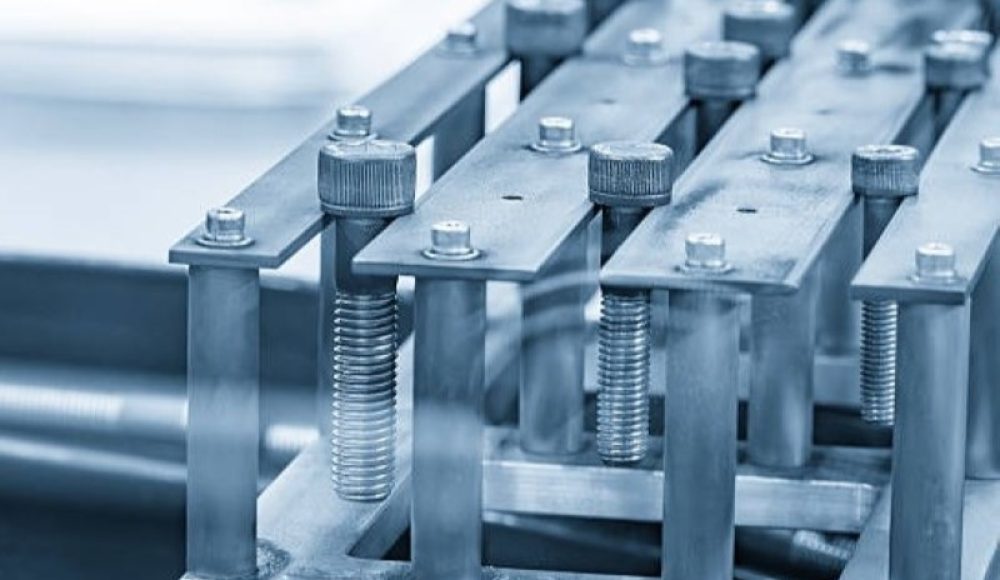
Parafusos de cabeça cilíndrica são amplamente utilizados em engenharia, Automotivo, e montagens industriais devido à sua alta resistência e ajuste preciso. No entanto, seu desempenho depende muito do torque correto aplicado durante a instalação. O torque determina a força de fixação que mantém os componentes juntos, garantindo estabilidade sob vibração e carga. Quando o torque é muito baixo, o parafuso pode se soltar com o tempo. Por outro lado, torque excessivo pode esticar ou danificar as roscas, reduzindo a força geral. Portanto, alcançar o equilíbrio de torque correto é essencial para manter a integridade mecânica dos conjuntos.
O papel do aperto na garantia da confiabilidade estrutural
Apertar um parafuso não é apenas um ato mecânico, mas um processo controlado que afeta diretamente a distribuição da pré-carga. O aperto adequado ajuda a manter uma tensão consistente em todo o eixo do parafuso, allowing socket head cap screws to resist external forces effectively. In precision equipment or machinery, uneven tightening can cause misalignment, leading to component fatigue and premature wear. Using calibrated torque wrenches or automated tightening tools ensures accurate preload application, which helps prevent both under-tightening and over-tightening. This method also enhances repeatability and long-term reliability.
Torque Control for Optimal Fastening Performance
In high-stress environments, such as aerospace or automotive manufacturing, torque control becomes critical. Engineers often use torque-tension relationships to calculate the ideal tightening level. Por exemplo, factors such as material hardness, thread lubrication, and surface friction can all influence how torque translates into clamping force. By carefully monitoring these parameters, users can maintain consistent screw performance under thermal expansion or dynamic loads. Além disso, periodic inspection and re-torqueing of fasteners can significantly improve service life and safety.
The Importance of Consistent Torque Standards
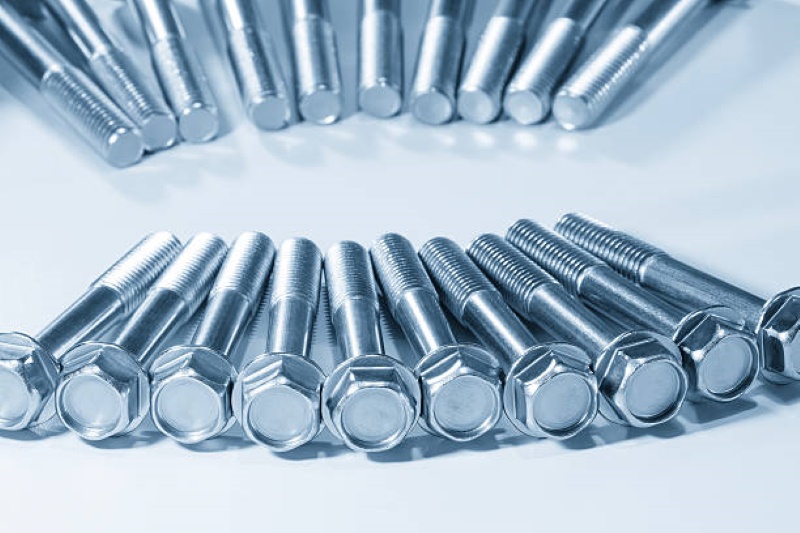
Establishing consistent torque standards is vital for both manufacturers and end-users. Standardized torque values based on screw size and material help eliminate guesswork during assembly. For socket head cap screws, maintaining uniform torque ensures balanced stress distribution, preventing joint failure. Em aplicações industriais, automation systems can integrate torque monitoring sensors to record tightening data for quality assurance. Such measures not only improve assembly accuracy but also build buyer confidence in product reliability.
Enhancing Fastener Efficiency Through Proper Tightening
CHE focuses on providing socket head cap screws engineered for precision and strength. Our manufacturing process ensures each fastener meets strict torque and tensile specifications. By combining advanced material treatments with optimized threading, our products maintain superior torque resistance and minimal deformation even under high load. This approach ensures high performance, making CHE fasteners ideal for demanding environments where precision tightening and consistent clamping are crucial.
Conclusão
Torque and tightening are fundamental to the performance and longevity of socket head cap screws. By understanding how these factors interact, engineers can achieve stronger, more stable, and safer assemblies. As torque precision directly affects structural integrity, choosing quality fasteners from fabricantes confiáveis como CHE garante durabilidade, consistência, e eficiência a longo prazo em todas as aplicações.