
Na engenharia e fabricação modernas, o controle de vibração é fundamental para a segurança e o desempenho do produto. Seja em sistemas automotivos, aerospace components, or industrial machinery, fasteners must maintain strong joint integrity under continuous movement. Among many fastening solutions, parafusos de travamento automático métricos stand out for their ability to maintain stability in high-vibration environments.
Understanding the Principle of Self-Locking
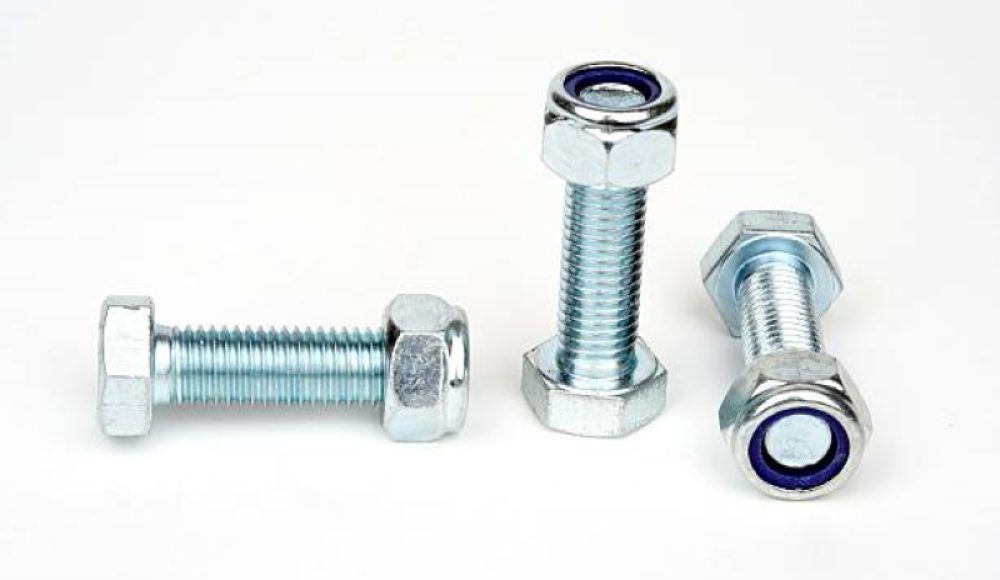
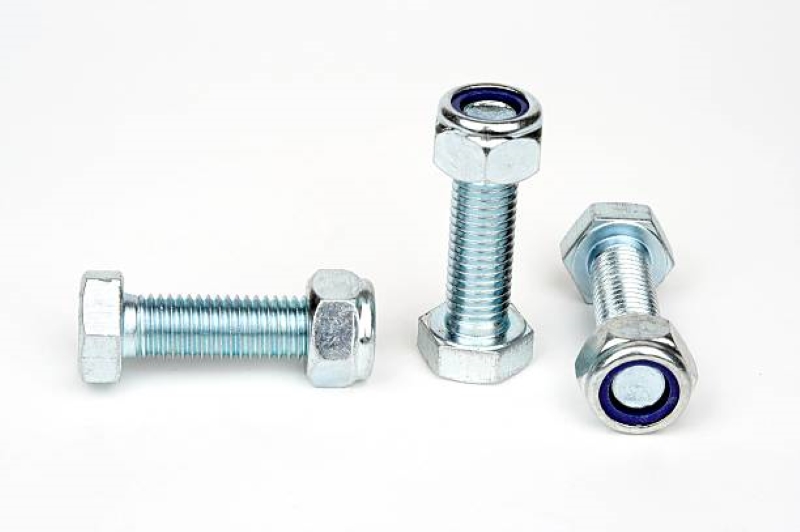
Unlike traditional bolts that rely solely on friction, parafusos de travamento automático métricos incorporate mechanical or chemical locking mechanisms to prevent loosening. These mechanisms often use nylon inserts, deformed threads, or wedge-lock designs. As vibration increases, the locking element resists rotational movement, maintaining torque and preventing back-off. Além disso, this design ensures a consistent clamping force even after prolonged operation, reducing the risk of mechanical failure.
Performance Under High Vibration
In high-vibration environments, such as engines or turbines, standard fasteners tend to lose preload over time. No entanto, parafusos de travamento automático resist this effect due to their unique locking structure. They can withstand both axial and transverse vibrations while maintaining strong friction between threads. Adicionalmente, the metric standard ensures uniform compatibility, precision fit, and optimal torque distribution across multiple assembly types. Portanto, these bolts perform exceptionally well in dynamic systems where traditional fasteners often fail.
Material and Durability Advantages
To enhance resistance to stress and fatigue, parafusos de travamento automático métricos are commonly made from high-grade steel, aço inoxidável, or alloy materials. These materials provide superior tensile strength and corrosion resistance. Além disso, surface treatments such as zinc plating or anti-corrosion coatings improve long-term durability in harsh industrial settings. This combination of mechanical strength and environmental protection makes them ideal for heavy-duty applications.
 Practical Applications and Reliability
Metric self-locking bolts are widely used in transportation equipment, vibration platforms, and precision machinery. In automotive assemblies, they secure engine mounts, suspension systems, and brake components, where continuous vibration occurs. In the aerospace and wind power industries, they guarantee connection reliability even under extreme motion and temperature changes. Through their anti-loosening design, they reduce maintenance frequency and improve operational safety.
Choosing the Right Bolt for the Job
When selecting parafusos de travamento automático, it is essential to match the bolt’s material, tamanho, and locking mechanism to the vibration level and environmental conditions. Adicionalmente, users should consider factors such as preload requirements, installation torque, and reusability. A properly chosen bolt ensures consistent performance while minimizing maintenance costs. As a trusted fastener supplier, QUE offers a wide range of metric self-locking bolts designed for stability, precisão, e durabilidade.
Conclusão
Para concluir, parafusos de travamento automático métricos provide outstanding resistance to loosening and mechanical fatigue in high-vibration environments. Their advanced locking design, durable materials, and metric precision make them essential components for modern engineering applications. As industries continue to demand higher reliability and performance, these bolts remain a crucial solution for vibration-prone systems.