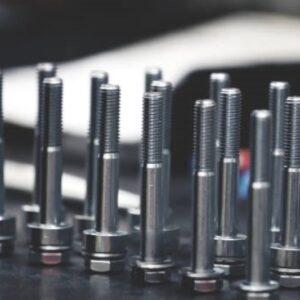


Porcas de soldagem de aço inoxidável servem como componentes críticos em alta carga, aplicações de alta temperatura. Seu desempenho afeta diretamente a integridade estrutural, segurança, e longevidade de montagens industriais. Ao contrário das nozes padrão, as porcas de soldagem são projetadas para resistir à expansão térmica, estresse mecânico, e condições corrosivas sem comprometer a resistência da junta. Indústrias incluindo automotiva, Aeroespacial, construção, e máquinas pesadas dependem desses componentes para manter a confiabilidade operacional. Compreendendo suas propriedades materiais, compatibilidade de soldagem, e técnicas de aplicação revelam por que as porcas de soldagem de aço inoxidável continuam indispensáveis em ambientes exigentes.
Excelência em Materiais: Por que o aço inoxidável é importante
O aço inoxidável fornece a base para porcas de soldagem de alto desempenho. Sua composição – principalmente ferro, cromo, e níquel – cria resistência à oxidação, corrosão, e deformação induzida pela temperatura. O cromo forma uma camada de óxido passiva, protegendo a superfície da porca mesmo sob exposição prolongada ao calor ou umidade. O níquel aumenta a resistência, permitindo que as porcas suportem o estresse mecânico sem quebrar. Em ambientes de alta temperatura, o aço inoxidável mantém a estabilidade dimensional, evitando distorção da rosca e afrouxamento da junta. Esta escolha de material garante que as porcas de soldagem mantenham sua funcionalidade em aplicações onde outros metais falham.
Projeto Estrutural Otimizado para Soldagem
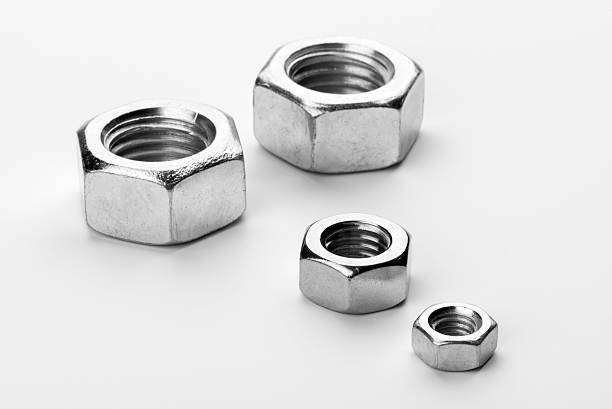
As porcas de soldagem diferem estruturalmente dos fixadores convencionais. Seu design integra recursos que suportam fixação direta em superfícies metálicas, melhorando a distribuição de carga e a integridade da solda. As porcas de soldagem por projeção incluem pequenas saliências na base, permitindo contato elétrico preciso e fusão controlada. As porcas de gaiola ou de encaixe proporcionam alinhamento e estabilidade posicional, reduzindo o desalinhamento durante a montagem. Ao integrar esses elementos de design, porcas de soldagem de aço inoxidável garantem penetração consistente da solda, minimizando pontos fracos e prevenindo falhas estruturais sob estresse.

Desempenho sob altas temperaturas
Ambientes de alta temperatura desafiam as propriedades mecânicas dos fixadores. Expansão térmica, oxidação, e a resistência à tração reduzida pode comprometer as articulações. Porcas de soldagem de aço inoxidável destacam-se nessas condições devido à sua capacidade de reter a dureza e resistir à incrustação em temperaturas elevadas. Por exemplo, em sistemas de escapamento automotivo, motores, ou fornos, as porcas de soldagem devem suportar temperaturas superiores a 500°C sem deformar. Sua microestrutura estável garante que os fios permaneçam intactos, fixando parafusos e mantendo a confiabilidade da conexão. Seleção adequada de liga, como 304 ou 316 aço inoxidável, melhora ainda mais o desempenho em condições térmicas extremas.
Manuseio de altas cargas mecânicas
Em aplicações de alta carga, as porcas de soldagem enfrentam estresse constante devido à vibração, compressão, e tensão. Porcas mal projetadas podem falhar, causando deslocamento de componentes ou colapso estrutural. As porcas de soldagem de aço inoxidável distribuem a carga uniformemente pela interface soldada, evitando concentrações de estresse localizadas. Seus perfis de rosca robustos permitem que os parafusos atinjam o torque máximo sem desgastar. Indústrias como construção, máquinas pesadas, e a fabricação industrial utilizam porcas de soldagem para manter a resistência da junta mesmo sob carga cíclica ou dinâmica. A combinação de resiliência de material e design otimizado garante desempenho consistente durante longos períodos de serviço.
Resistência à corrosão em ambientes agressivos
As aplicações industriais muitas vezes expõem os fixadores à umidade, produtos químicos, e sal. Corrosion can weaken joints, causing premature failure. Stainless steel welding nuts resist rust and chemical attack, extending service life. Passive oxide layers regenerate if scratched, providing self-protection. In marine, chemical processing, or outdoor structures, welding nuts maintain mechanical integrity while resisting environmental degradation. Their corrosion resistance reduces maintenance requirements and lowers the risk of unplanned downtime in critical assemblies.
Welding Compatibility and Techniques
Successful integration of welding nuts requires compatibility with base metals and precise application techniques. Stainless steel nuts suit most ferrous and some non-ferrous substrates, provided welding parameters match the material properties. Projection welding relies on controlled current, pressão, e tempo para alcançar fusão uniforme sem superaquecimento. Os métodos de soldagem TIG ou MIG são adequados para materiais mais espessos ou ligas especializadas. A soldagem adequada garante fortes ligações metalúrgicas, evitando rachaduras, vazios, ou pontos de fixação fracos. Equipes de engenharia experientes projetam configurações de juntas que maximizam o desempenho da porca in situ.
Considerações sobre personalização e especificações
Selecionar a porca de soldagem de aço inoxidável correta envolve a qualidade do material, tamanho, tipo de thread, estilo de projeção, e tratamento de superfície. 304-aço inoxidável de qualidade oferece resistência geral à corrosão e boa soldabilidade. 316-a qualidade melhora o desempenho em ambientes marinhos ou ricos em cloreto. A precisão da rosca garante o encaixe adequado do parafuso e a transferência de torque. A altura e a configuração da projeção afetam a qualidade da solda e a distribuição da carga. Acabamentos de superfície, como passivação ou galvanização, proporcionam proteção adicional contra corrosão e qualidade estética. Os engenheiros equilibram esses parâmetros para otimizar o desempenho, custo, e eficiência de produção.
Vantagens de manutenção e ciclo de vida
As porcas de soldagem minimizam a necessidade de manutenção frequente. Sua resistência à corrosão e estabilidade mecânica reduzem o afrouxamento das juntas e a substituição de componentes. Essa longevidade contribui para reduzir custos operacionais e reduzir o tempo de inatividade. Em sistemas de alta temperatura, a capacidade de sustentar ciclos térmicos repetidos sem distorção da rosca garante conformidade de segurança e confiabilidade. As equipes de manutenção podem se concentrar em questões de nível de sistema em vez de na substituição de fixadores, melhorando a produtividade geral.
Implicações Econômicas e de Segurança
Investir em porcas de soldagem de aço inoxidável de alta qualidade oferece vantagens econômicas. Longer service life, reduced repair frequency, and enhanced structural integrity decrease the total cost of ownership. Safety is also a critical factor. Em ambientes de alta carga, a fastener failure can have catastrophic consequences. Properly selected welding nuts reduce risk, supporting compliance with industrial safety standards. The cost of premium materials is justified by preventing equipment damage, operational interruptions, and potential liability.
Emerging Trends in Welding Nut Technology
Recent developments focus on material innovations and precision manufacturing. High-performance alloys improve resistance to extreme heat and stress. Advanced CNC machining ensures dimensional consistency, critical for high-volume production. Surface engineering enhances corrosion resistance while maintaining weldability. Adicionalmente, additive manufacturing allows rapid prototyping for specialised applications. These innovations further strengthen the role of stainless steel welding nuts in demanding environments.
Integration with Modern Industrial Design
Stainless steel welding nuts align with modern industrial assembly philosophies, including modular construction and automation. Their design supports robotic welding and automated assembly lines, reducing human error. Consistent geometry and surface quality facilitate seamless integration in mass production. Além disso, optimised placement allows uniform stress distribution, critical in automated high-load assemblies. By combining material performance with precise engineering, welding nuts enhance both product quality and production efficiency.
Resumo: Strategic Value in High-Load, High-Temperature Applications
Porcas de soldagem de aço inoxidável represent a cornerstone of reliable, fixação durável em condições extremas. Seleção de materiais, projeto estrutural, compatibilidade de soldagem, e capacidades de manuseio de carga garantem que esses componentes mantenham a integridade sob estresse térmico e mecânico. Indústrias que vão desde automotiva e aeroespacial até construção e marinha dependem de porcas de soldagem para proteger o investimento, aumentar a segurança, e prolongar a vida útil do equipamento. A personalização e a fabricação de precisão otimizam ainda mais o desempenho, enquanto a resistência à corrosão e as vantagens de manutenção reforçam os benefícios econômicos e operacionais.
Em última análise, porcas de soldagem de aço inoxidável são mais do que fixadores; são soluções projetadas que garantem confiabilidade estrutural em ambientes de alta temperatura e alta carga. A sua integração em montagens industriais reflete um cuidadoso equilíbrio da ciência dos materiais, Engenharia Mecânica, e aplicação prática. Ao enfatizar a durabilidade, compatibilidade, e precisão de design, as porcas de soldagem continuam a desempenhar um papel fundamental na fabricação e construção modernas.