
When it comes to choosing fasteners for marinho ou coastal environments, aço inoxidável is often a top contender. It is widely regarded for its excellent Resistência à corrosão, which makes it an ideal material for use in environments exposed to saltwater and moisture. Stainless steel self-tapping screws, in particular, have gained popularity for their versatility and ease of installation in a variety of applications.
Neste artigo, we will explore whether stainless steel self-tapping screws are a reliable option for marine and coastal applications. We will discuss the different grades of stainless steel, their corrosion resistance properties, and the factors that should be considered when selecting fasteners for these harsh environments. By the end, you will have a comprehensive understanding of the advantages and limitations of using stainless steel self-tapping screws in marine and coastal settings.
What Are Stainless Steel Self-Tapping Screws?
Before diving into their suitability for marine and coastal environments, it’s important to understand what stainless steel self-tapping screws are and how they work.
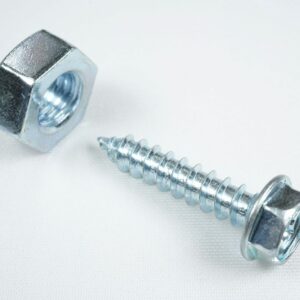
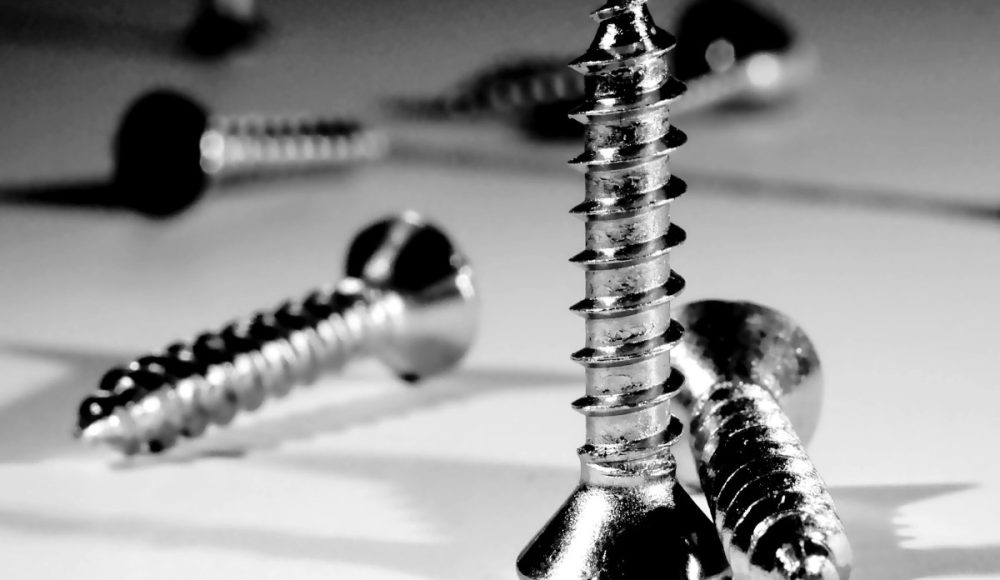
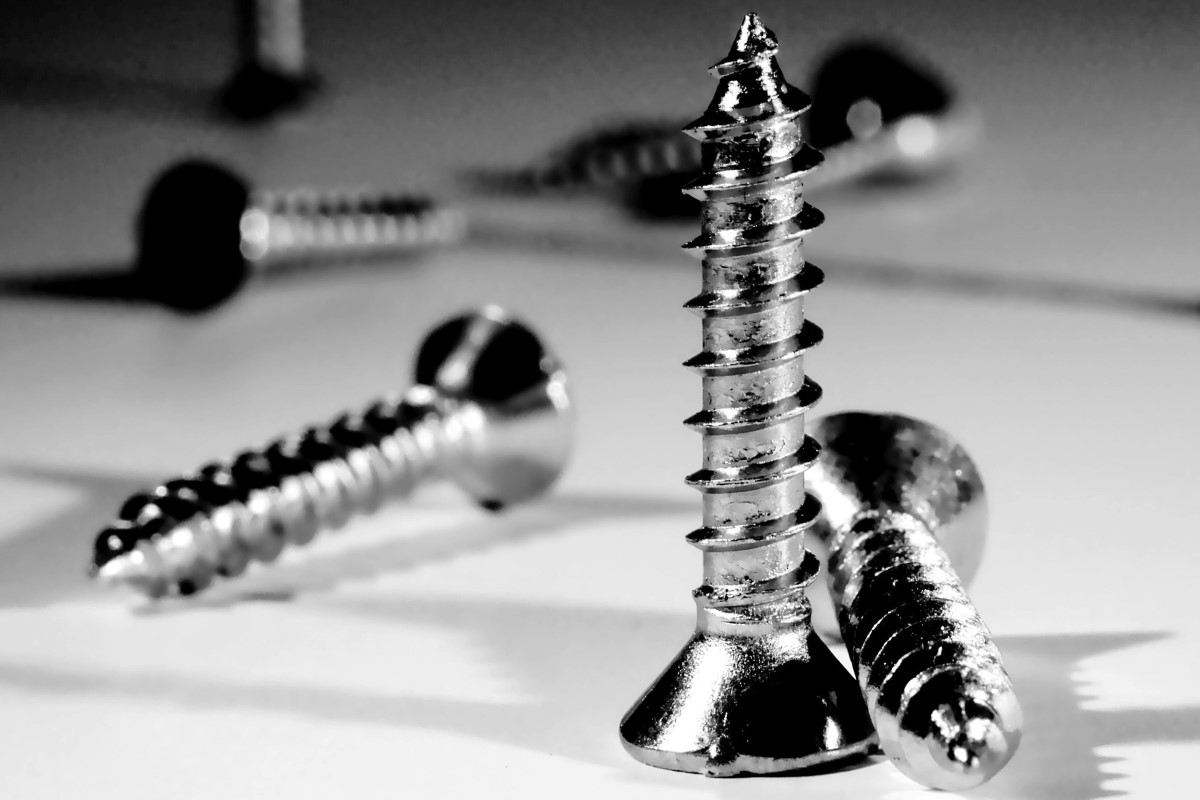
Parafusos auto-roscantes are designed to create their own hole as they are driven into materials. This eliminates the need for pre-drilling and allows for quicker installation, making them highly efficient in construction, Automotivo, and DIY projects. O aço inoxidável component refers to the material used to make the screw, known for its resistance to rust, corrosão, and staining.
Stainless steel self-tapping screws are commonly used for wood, plástico, and metal. They excel in corrosion-resistant applications, particularly outdoors and in marine environments.
Marine and Coastal Environments: The Challenges
Marine and coastal environments are among the most corrosive on earth. Saltwater and high humidity levels create ideal conditions for metal corrosion. In coastal areas, salty air can also contribute to the gradual deterioration of metal fasteners, especially when exposed for extended periods.
For fasteners to perform well in these environments, they must resist oxidação, rust, and other forms of deterioration caused by the presence of moisture and salt. Resistência à corrosão becomes the key factor in selecting fasteners for applications like boats, docks, marine equipment, and coastal structures.
Corrosion Resistance of Stainless Steel in Marine and Coastal Environments
One of the main reasons aço inoxidável is recommended for marine and coastal applications is its resistente à corrosão properties. Stainless steel contains a high percentage of cromo, which forms a thin, passive oxide layer on the surface of the metal, protecting it from corrosion. The higher the chromium content, the better the material resists rust and corrosion.
No entanto, not all stainless steel is the same. O grade of stainless steel used in fasteners determines how well it can withstand the elements in marine and coastal environments.
Grades of Stainless Steel for Marine Use
When considering stainless steel self-tapping screws for marine or coastal environments, the grade of stainless steel is critical. The two most common grades of stainless steel used in these settings are 304 e 316.
1. 304 Aço inoxidável
304 stainless steel is one of the most commonly used grades due to its high resistance to oxidation and corrosion. It is an austenitic stainless steel alloy, containing about 18% chromium and 8% níquel. This grade is widely used in various applications, including in coastal environments.
No entanto, while 304 aço inoxidável provides good corrosion resistance in mild coastal environments, it is not the best choice for direct marine exposure. O chlorides in seawater can lead to pitting corrosion ao longo do tempo, especially in more aggressive marine environments.
2. 316 Aço inoxidável
Para marine applications, 316 aço inoxidável is the superior option. This grade contains molibdênio, which significantly enhances its ability to resist corrosion in highly corrosive environments, such as in saltwater. 316 stainless steel is highly resistant to pitting, crevice corrosion, and stress corrosion cracking, making it the ideal choice for marine environments e coastal applications.
Para marine use, 316 aço inoxidável is often the preferred material for self-tapping screws, parafusos, nozes, and other fasteners, as it offers maximum protection against the harmful effects of saltwater exposure.
Benefits of Stainless Steel Self-Tapping Screws in Marine and Coastal Environments
When used in appropriate grades like 316, stainless steel self-tapping screws offer several advantages in marine and coastal environments:
1. Resistência à corrosão
As mentioned earlier, o Resistência à corrosão of stainless steel, especially 316, ensures that these screws will perform well in marine and coastal environments, where the presence of salt and moisture can quickly damage lesser materials.
2. Durabilidade
Stainless steel self-tapping screws are highly durable and able to withstand the mechanical stress often encountered in marine and coastal applications. They maintain their strength and integrity even when exposed to harsh weather conditions, making them ideal for use in boats, docks, and coastal infrastructure.
3. Ease of Installation
The self-tapping nature of these screws eliminates the need for pre-drilling holes, making installation faster and more efficient. This is especially useful when working with materials like wood, plástico, or metal, commonly found in coastal and marine constructions.
4. Cost-Effective Solution
While stainless steel fasteners, particularly 316-grade, may be more expensive than other types of screws, they offer long-term savings by reducing the need for maintenance or replacement. The durability and Resistência à corrosão of stainless steel lead to fewer repairs and lower costs in the long run.

Limitations and Considerations
While stainless steel self-tapping screws offer excellent corrosion resistance, there are still some factors to consider when using them in marine and coastal environments:
1. Environmental Exposure
In highly corrosive marine environments, even 316 aço inoxidável can experience gradual degradation over time. Regular maintenance, including cleaning the screws to remove salt deposits, will help extend their lifespan.
2. Material Compatibility
The performance of stainless steel screws can be affected by the materials they are used with. When installing screws into other metals, como alumínio, galvanic corrosion can occur. It’s important to ensure the right materials are paired together to prevent this issue.
3. Installation Method
Although self-tapping screws are easy to install, it’s essential to ensure that the correct installation techniques are used. Over-tightening or improper installation can cause the screw to strip, reducing its effectiveness. Proper torque and installation equipment should be used to avoid such issues.
Conclusão
Para concluir, stainless steel self-tapping screws, particularly those made from 316 aço inoxidável, are an excellent choice for use in marinho e coastal environments. Deles Resistência à corrosão, durabilidade, e ease of installation make them ideal for a variety of applications, including boats, docks, coastal buildings, and outdoor equipment. No entanto, é importante selecionar o tipo certo de aço inoxidável e garantir técnicas de instalação adequadas para maximizar seu desempenho nesses ambientes desafiadores.
Ao compreender os requisitos específicos do seu projeto e selecionar os fixadores apropriados, você pode garantir que sua construção permaneça forte, durável, e protegido dos elementos.